EDISCOVERY
Guide to find best E-Discovery tools for lawyers
ntroduction E-discovery tools have become indispensable for legal professionals managing electronic data for litigation, regulatory compliance, and investigations. Selecting the right e-discovery tool
Share article
ntroduction
E-discovery tools have become indispensable for legal professionals managing electronic data for litigation, regulatory compliance, and investigations. Selecting the right e-discovery tool requires an understanding of the e-discovery process lifecycle and evaluating key functionalities tailored to legal practice needs. This guide will help lawyers assess e-discovery tools by focusing on the discovery process and the features that matter most in a legal setting.
Evaluating the E-Discovery Process Lifecycle
A robust e-discovery tool manages the entire discovery process, from data identification to presentation. Understanding these stages is crucial for selecting a tool that aligns with your legal practice.
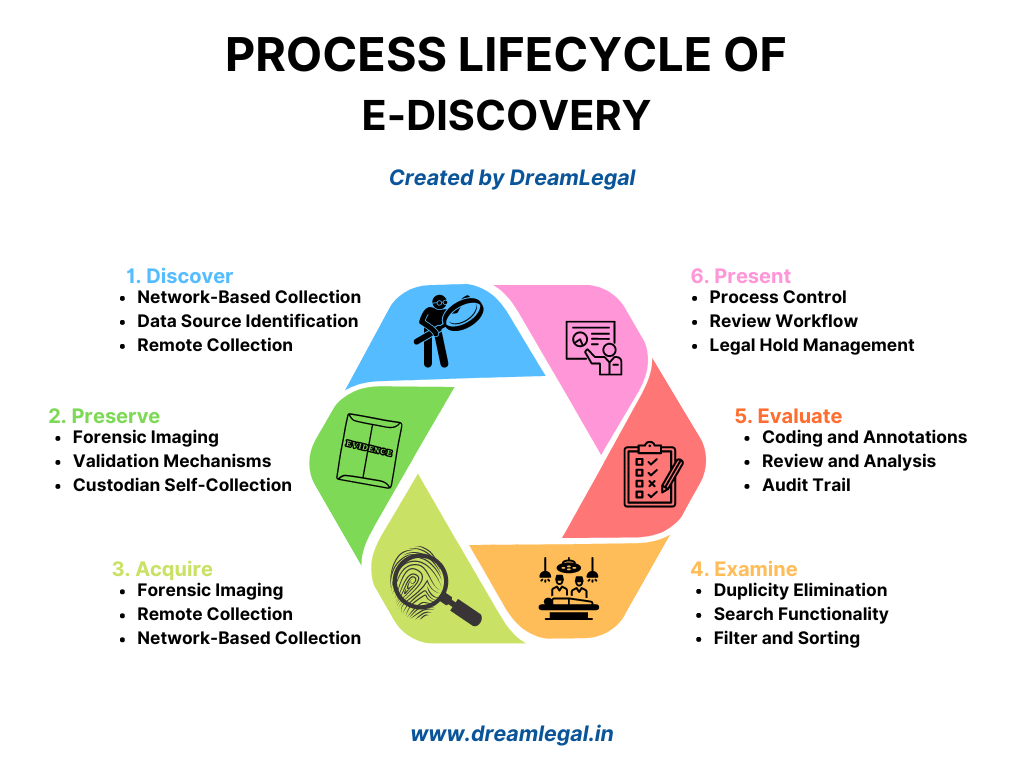
Discover
The discover stage involves identifying and locating relevant electronic data. The e-discovery tool should streamline this process:
Key Features:
Data Source Identification: Identifies all potential sources of relevant data.
Remote Collection: Allows for the collection of data from remote locations.
Network-Based Collection: Gathers data across networks and systems.
For Law Firms: Firms handling complex litigation need robust data identification tools to quickly locate all relevant information across multiple data sources.
Create a free account to read this industry analysis
Industry analysis is free for members. It takes less than a minute to join.
Already have an account? Sign in
Was this update helpful?
Continue reading
Related articles


Stay informed
Make your next legal technology decision with more clarity.
Join DreamLegal for independent research, market perspectives, and practical evaluation guidance for legal teams.
Create Free Account