CONTRACT LIFECYCLE MANAGEMENT (CLM)
Leah Launches Agentic Contracting Platform as CLM Model Faces Enterprise Reset
Share article

Leah launched Leah Contracting on Sept. 17, 2026, positioning the product as an agent-led alternative to conventional contract lifecycle management. The London-based legal technology company says the platform can coordinate work from intake and review through negotiation, approvals, signature, obligations and renewal. Its argument is less about adding AI features to CLM than changing where responsibility for moving a contract sits.
Traditional CLM systems have generally organized documents, workflows, approvals and deadlines while employees advanced matters between stages. Leah’s announcement reflects a broader enterprise legal technology shift toward AI agents that perform discrete tasks and, increasingly, coordinate across them. The company says its Maestro platform provides the surrounding controls, including permissions, memory, auditability, approval checkpoints and defined transitions. That distinction matters in enterprise legal environments, where speed alone is insufficient if an automated process cannot explain its actions or enforce a company’s contracting policy.
You have read your free article this month
Create a free account to keep reading. Members get unlimited research, saved comparisons and legal tech updates by email.
Already have an account? Sign in
Was this update helpful?
Sources
- 1The CLM Era Is Over. Leah Introduces a Harness for Enterprise Contract Work.https://leahai.com/press-releases/the-clm-era-is-over-leah-introduces-a-harness-for-enterprise-contract-work
Continue reading
Related articles
Contract Lifecycle Management (CLM)
Spellbook Launches End-to-End Autonomous Contract Management Platform
Read article
Contract Lifecycle Management (CLM)
OpenAI Taps Ironclad to Deploy Contract AI Agents Across Enterprise Legal Teams
Read article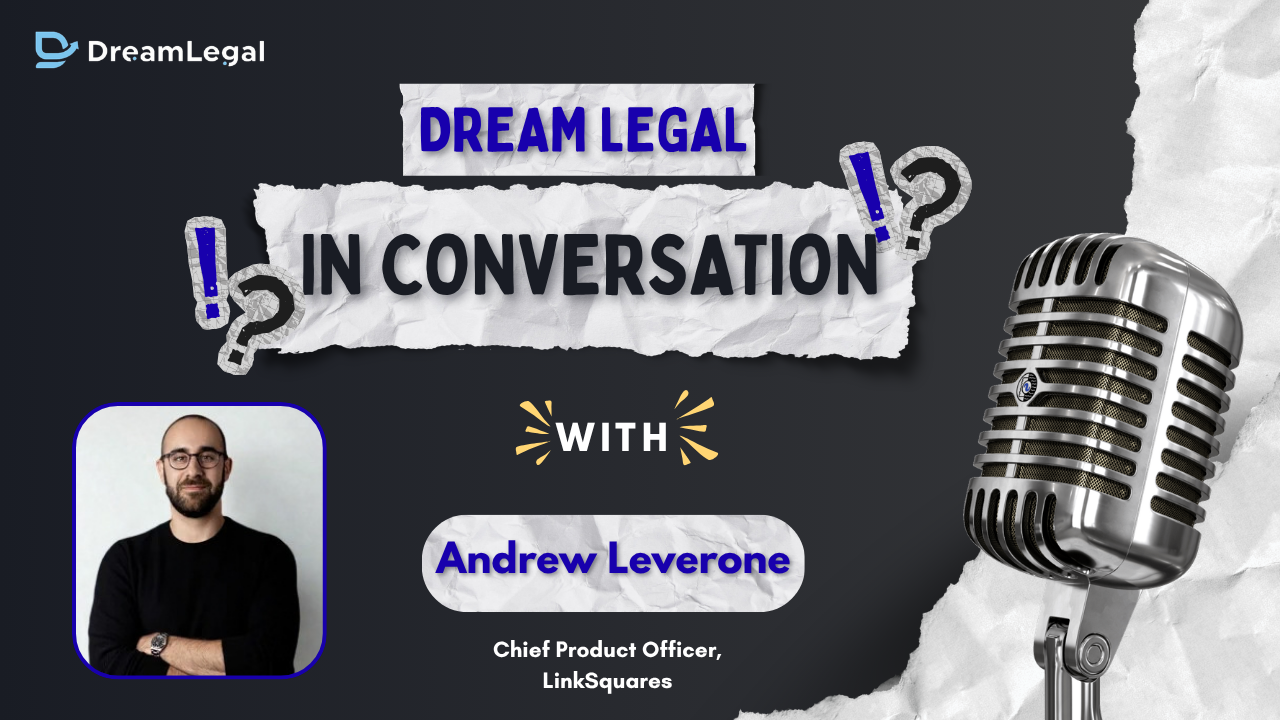
Contract Lifecycle Management (CLM)
DreamLegal: In Conversation with Andrew Leverone, Chief Product Officer at LinkSquares
LinkSquares recently introduced Workflow Builder Agent and Workflow Blueprints, two new capabilities designed to change how legal teams build and adapt contract workflows. We spoke with Andrew Leverone, Chief Product Officer at LinkSquares and a member of its founding team, to dig deeper into the thinking behind the launch.
Read articleStay informed
Make your next legal technology decision with more clarity.
Join DreamLegal for independent research, market perspectives, and practical evaluation guidance for legal teams.
Create Free Account