CONTRACT LIFECYCLE MANAGEMENT (CLM)
Precisely Launches Lexnus to Turn Existing Contracts Into Legal Policy Controls
Share article
Swedish legal technology company Precisely on Aug. 31 launched Lexnus, a contract management platform that derives review rules from an organisation’s existing agreements and templates. The product is aimed at a growing problem in enterprise legal: contracts increasingly originate outside formal CLM systems, including in Word documents, through counterparties and with generative AI. Lexnus is designed to apply approved legal standards to those agreements regardless of their source.
Precisely’s launch reflects a shift in contract management from workflow administration toward policy enforcement. Traditional CLM products generally focus on drafting, approvals, execution, storage and renewal tracking. Their value often depends on legal teams first converting internal standards into playbooks, clause libraries and approval rules. That preparation can make deployment slow and expensive, particularly when organisations have accumulated years of negotiated agreements but lack a centralised record of the decisions behind them. Lexnus enters a market where legal operations teams are under pressure to support faster contracting without allowing AI-generated or counterparty paper to bypass risk controls.
Create a free account to read this industry analysis
Industry analysis is free for members. It takes less than a minute to join.
Already have an account? Sign in
Was this update helpful?
Continue reading
Related articles
Contract Lifecycle Management (CLM)
Spellbook Launches End-to-End Autonomous Contract Management Platform
Read article
Contract Lifecycle Management (CLM)
OpenAI Taps Ironclad to Deploy Contract AI Agents Across Enterprise Legal Teams
Read article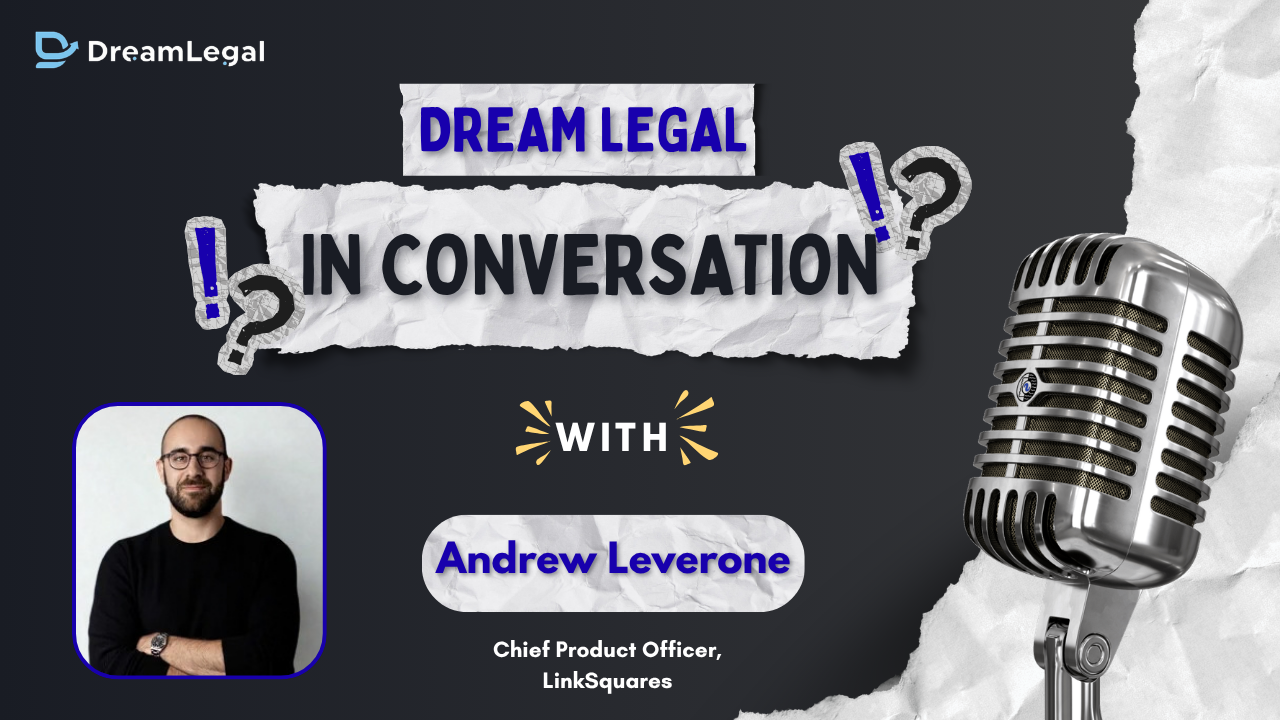
Contract Lifecycle Management (CLM)
DreamLegal: In Conversation with Andrew Leverone, Chief Product Officer at LinkSquares
LinkSquares recently introduced Workflow Builder Agent and Workflow Blueprints, two new capabilities designed to change how legal teams build and adapt contract workflows. We spoke with Andrew Leverone, Chief Product Officer at LinkSquares and a member of its founding team, to dig deeper into the thinking behind the launch.
Read articleStay informed
Make your next legal technology decision with more clarity.
Join DreamLegal for independent research, market perspectives, and practical evaluation guidance for legal teams.
Create Free Account