Luminance vs Spellbook
A standardized, audit-grade view of features, pricing, use cases, and operational fit across these two legal ai platforms.
Parameters
2 solutions selected


Category
Luminance
Spellbook
Use Cases
Luminance
Spellbook
Overview
Luminance
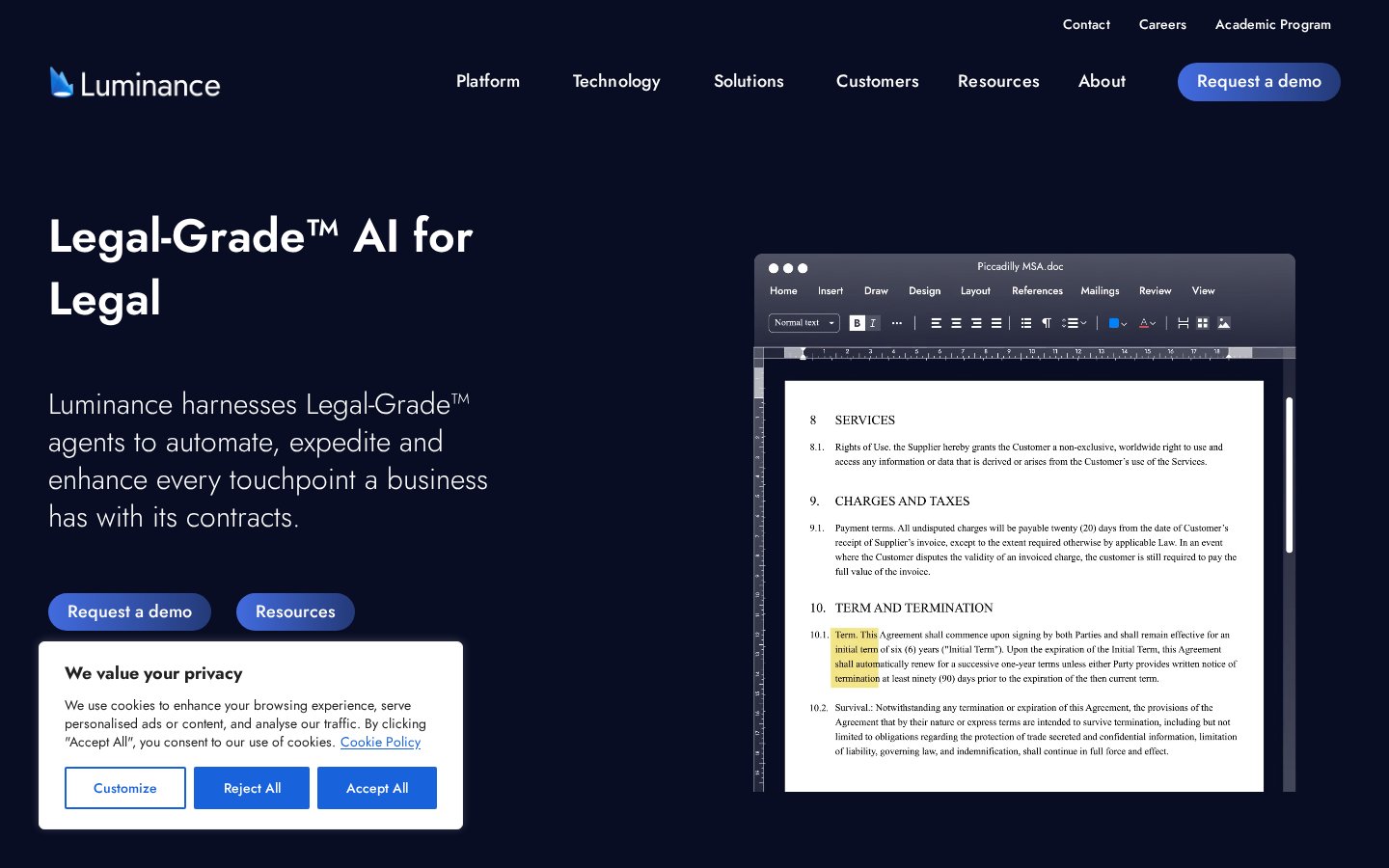
Luminance is a legal-grade AI platform that automates contract-related work across the full contract lifecycle. It serves legal, compliance, procurement, finance, HR, sales, marketing and executive teams, covering drafting, negotiation, analysis, compliance, investigation and cross-functional collaboration.
Spellbook
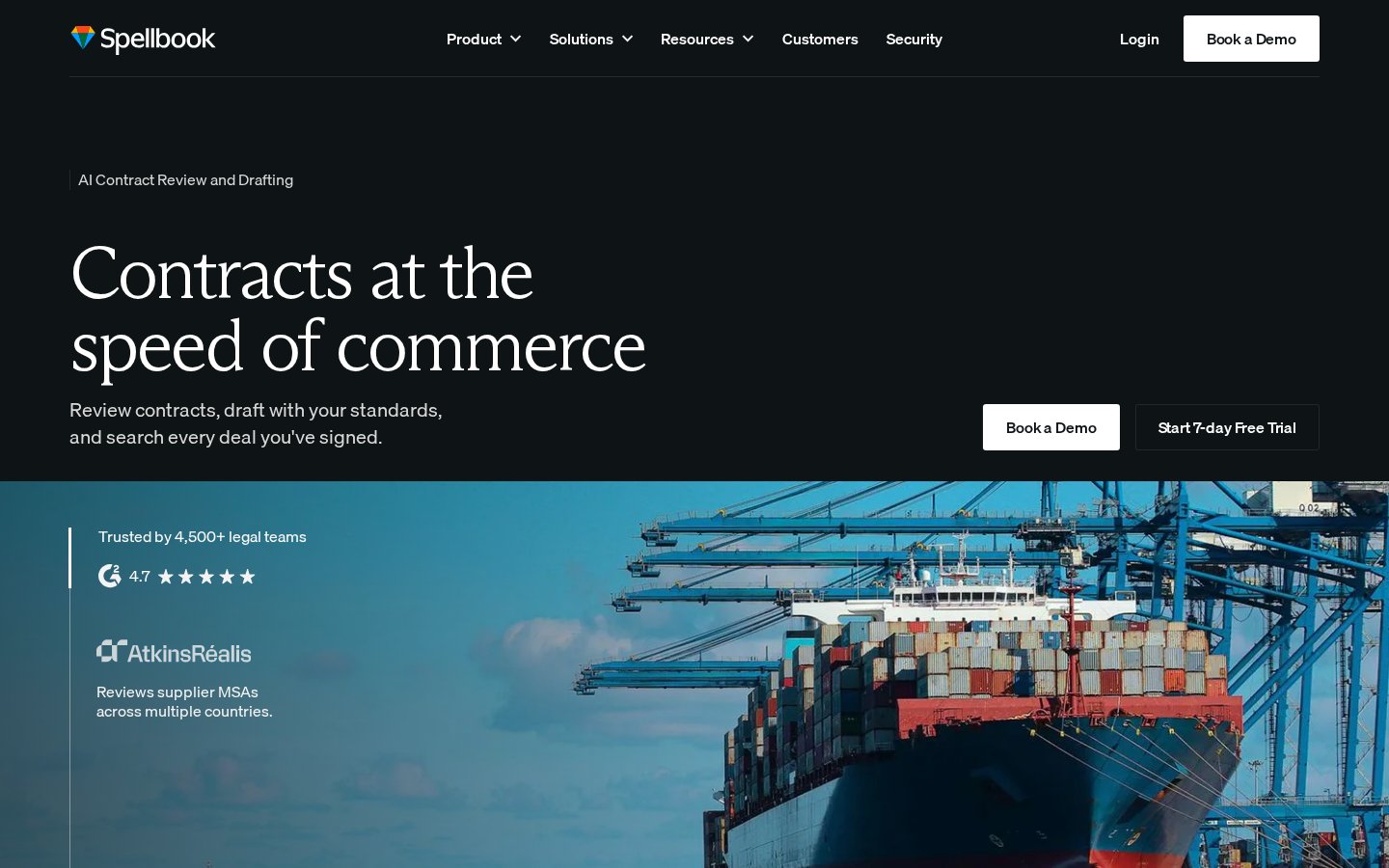
Spellbook is an AI contract review and drafting platform built for in-house legal teams and law firms. It redlines contracts against firm standards inside Microsoft Word, drafts clauses and documents from scratch or precedents, and indexes signed agreements for searchable contract intelligence.
Tagline
Luminance
Legal-Grade™ AI
Spellbook
Contracts at the speed of commerce
Founded Year
Luminance
—
Spellbook
—
HQ Locations
Luminance
Spellbook
Funding Stage
Luminance
—
Spellbook
—
Luminance
—Spellbook
—Luminance
—Spellbook
—Website
Luminance
https://www.luminance.com/Spellbook
https://www.spellbook.legalFounders
Luminance
—
Spellbook
—
Parameters
2 solutions selected
+ Add 3rd product
Overview
Company Details
01. Core Features
Draft
Automated contract generation to accelerate time to signature.
Negotiate
AI-powered contract review within Microsoft Word.
Analyze
At-a-glance insight across all enterprise contracts.
Comply
Monitors and meets new compliance requirements as introduced.
Investigate
Accelerates discovery, arbitration and litigation matters.
Collaborate
Automates end-to-end workflows between Legal and business.
Review
Spot risks and add redlines to contracts directly in Word.
Draft
Draft clauses and documents from scratch or precedents.
Associate
AI agent for multi-document drafting and review.
Ask
Answers with citations grounded in your contract data.
Market
Compare contracts to thousands of similar agreements.
02. Technical Specifications
03. Who is it for
04. Trust & Compliance
05. Pricing Details
Yes (Pilot/Proof of Value often available)
Yes
06. Media
Contracts
Popular comparisons in contracts
Harvey AI vs Lucio
Agents vs Lucio Assistant
August vs Harvey AI
Tabular Review vs Agents
DocuSign CLM vs Icertis Contract Intelligence
Create contracts with ease vs Engage
Harvey AI vs Lucio
Agents vs Lucio Assistant
Legal AIAugust vs Harvey AI
Tabular Review vs Agents
Legal AIDocuSign CLM vs Icertis Contract Intelligence
Create contracts with ease vs Engage
Contract Lifecycle Management (CLM)FAQs
Our matrices are built by mapping every platform against 1,150+ standardized operational and security benchmarks, including SOC 2 and ISO 27001, and verified data protection claims. Paid placement never influences capability checkmarks or comparison scores.
No. Sponsored listings are clearly labeled and kept separate from our comparison scores. No vendor can pay to improve its ratings, checkmarks, or ranking position.
Our comparison data is refreshed monthly, so you're always evaluating platforms against their current features, pricing, and security posture.
We use a combination of vendor questionnaires, public documentation, security certifications, and direct testing. Where sources conflict, our team reviews and resolves discrepancies before publishing a score.
Yes. Custom comparisons tailored to your firm's size, practice area, and budget can be requested from your user account.